
Commercial refrigeration advice · London
COMMERCIAL ONLY - We Don't Repair Domestic Fridge/Freezers
Understand what goes into a repair quote, which questions to ask and how to compare repair with replacement for your business.
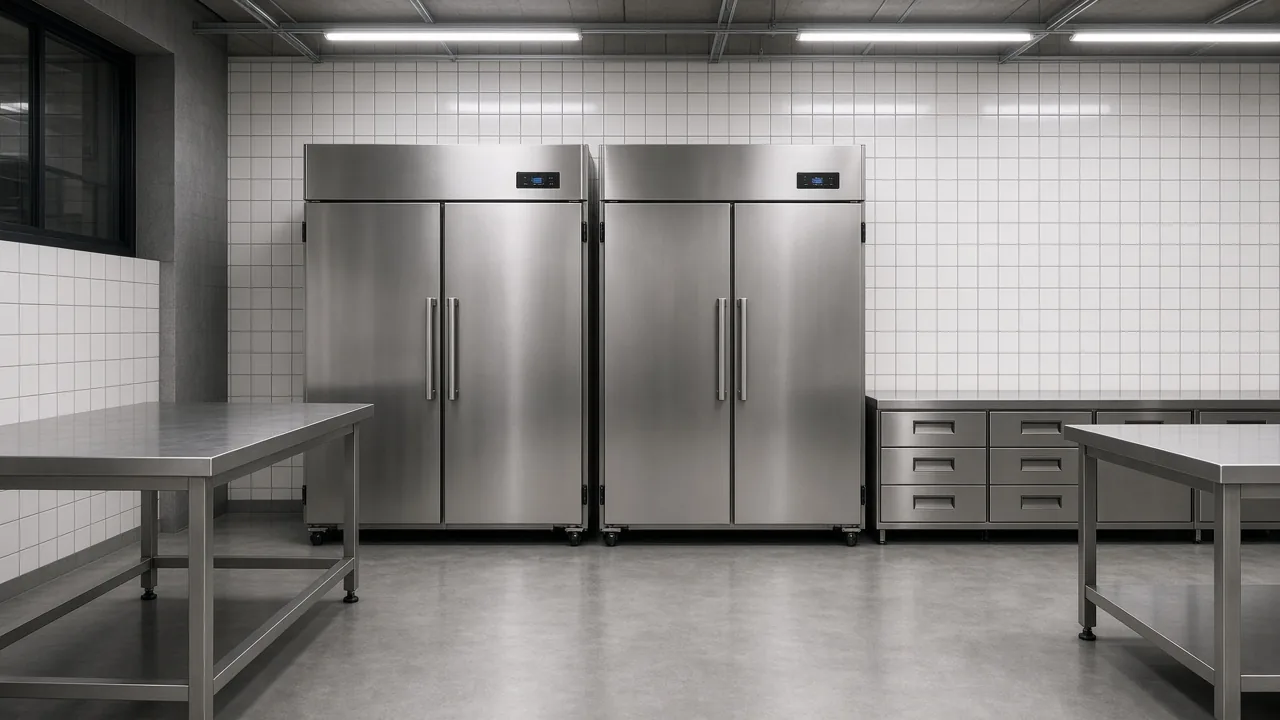
Commercial fridge repair costs depend on the fault and the equipment. A useful quote separates the attendance and diagnosis charge from labour, replacement parts and any additional visits. Before booking, ask what you will pay for the initial visit and when you will receive a price for the repair.
This guide is for restaurant, café, pub, hotel and shop owners in London. It explains how to compare quotes; it is not a fixed Cold Direct price list. For help with a breakdown, see our commercial fridge repair service or call 020 3952 4822 with your postcode and equipment details.
Updated · By Cold Direct · Commercial refrigeration advice
Compare the total scope rather than the headline call-out price. One quote may include diagnostic time while another lists attendance and labour separately. Ask whether a return visit is included if a part must be ordered.
| Cost item | What to confirm |
|---|---|
| Attendance and diagnosis | The initial charge, time included and charges if you decline the repair. |
| Labour | Whether it is fixed for the agreed job or charged by time, including any minimum. |
| Parts | The component being replaced, availability and whether fitting is included. |
| Additional visits | Any return attendance or labour charge when parts are not available immediately. |
| Emergency appointments | Any evening, weekend or bank-holiday rate before you confirm the booking. |
| VAT and access costs | Whether VAT is included or applicable, and how parking or restricted access is handled. |
The make and model identify which components fit the cabinet. A prep counter, upright cabinet and display fridge can require different parts even when each has the same symptom. Send a clear photograph of the model plate, including the serial number, when asking about a visit.
Access also matters. Tell the engineer if equipment is built into a counter, located in a basement or only accessible outside service hours. Describe any loading restrictions and who can provide access. These details help define the work before the appointment.
A warm cabinet is a symptom, not a diagnosis. Avoid assuming it needs a new compressor or a refrigerant refill from the display temperature alone. Ask the engineer to explain the diagnosed fault, proposed work and alternatives before approving the repair.
Start with the condition of the cabinet and its repair history. A single repair on otherwise suitable equipment is a different decision from repeated breakdowns on a damaged cabinet. Ask about parts availability and the expected completion time, not just the component price.
For a replacement, include delivery, installation, removal of the old unit and any changes needed for the new equipment. Check that the replacement meets your capacity, dimensions and operating requirements. Compare warranty terms in writing; do not assume every quote includes the same cover.
There is no reliable percentage rule that suits every business. Weigh the complete quotes alongside disruption to service and how long you expect to keep using the equipment. For freezers, use our commercial freezer repair information so you are comparing the right equipment.
For initial troubleshooting information, read commercial fridge not cooling. Keep checks to those permitted in the manufacturer's user instructions. Leave electrical and refrigerant work to a suitably qualified engineer.
Cold Direct works on commercial refrigeration for London businesses. Use the fridge repair London page for service details, or check the refrigeration brands page when you have the equipment make. Confirm availability, the attendance charge and the approval process when you call.
For planned upkeep, see commercial refrigeration servicing. A maintenance visit and an emergency breakdown call are different bookings; explain which you need so the scope is clear.
The total depends on the diagnosis, parts, labour, access and appointment time. Ask for the attendance charge and what it includes before booking, then an itemised repair quote after diagnosis.
A model number and fault description help with initial advice, but the cause may need an on-site diagnosis. Confirm whether any figure provided before inspection is an estimate or a fixed quote.
Compare the complete repair quote with the installed cost of a suitable replacement. Consider cabinet condition, previous faults, parts availability, downtime and the warranty terms offered.
Ask before booking which attendance and diagnostic charges remain payable if you decline the repair or the cabinet cannot be repaired. Confirm approval arrangements before additional work or parts are ordered.
Cold Direct dispatches F-Gas certified engineers 24/7 across North & Central London and all M25 postcodes. Commercial kitchens, pubs, supermarkets and hospitality venues only — no domestic appliances.
Direct London Service Hubs: commercial fridge repair London · commercial freezer repair London · cold room repair London · commercial catering repair London · beer cellar cooling repair London · air conditioning repair London · ice machine repair London